The scene can change. The product has to remain itself.
A convincing AI image can still be the wrong product image. The room may feel photographic while a handle changes shape, a material loses its character or a colour drifts away from the approved reference. For a brand, those details are part of the product.
The useful question is therefore specific: can this production preserve what the customer is buying while creating a setting that makes it relevant? Two published Scenes projects show how that question translates into production decisions.
Nilfisk: three parts of the same image.
For Nilfisk's SC25 and SC50 floor scrubbers, Scenes combined product renderings and photography with AI-created U.S. education settings. The SC50 sequence below makes the construction visible: a product reference, an environment without the machine, and the completed image.
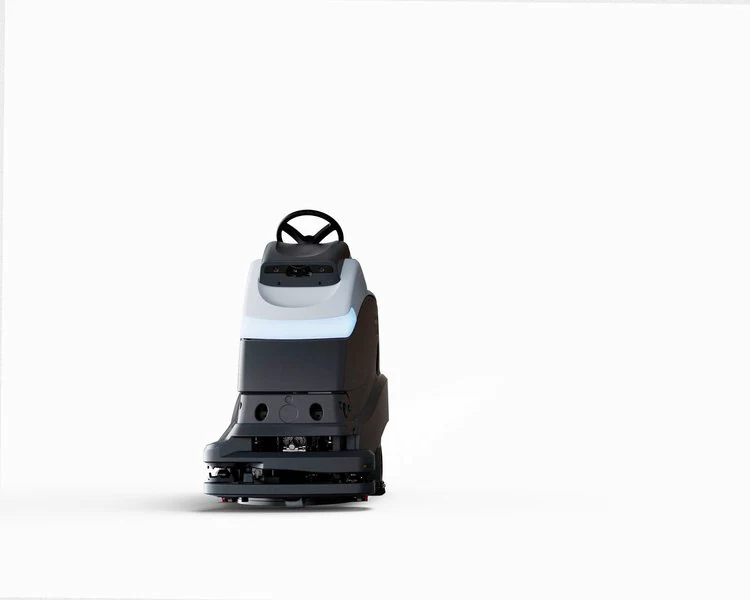

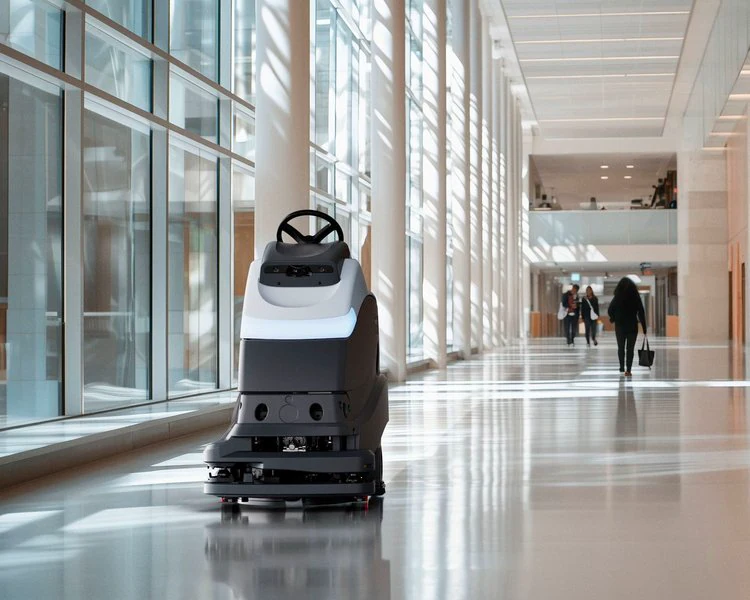
Look at the base of the machine and its contact with the floor. Then compare the product's silhouette with the reference. These are concrete places to review integration, rather than judging only the atmosphere of the finished scene.
The full Nilfisk case also documents product photography by Jeppe Sørensen at Nilfisk's showroom in Brøndby. A production can combine photography, renderings, generated environments and finishing according to the material available. The finished image alone does not tell you which parts were generated.
Flügger: the colour is part of the product.
The Flügger80 project involved 80 interiors developed with Flügger's design team. The published case describes an iterative process with AI and manual finishing. Painted surfaces were isolated and refined by hand alongside colour specialist Fie Hetting.
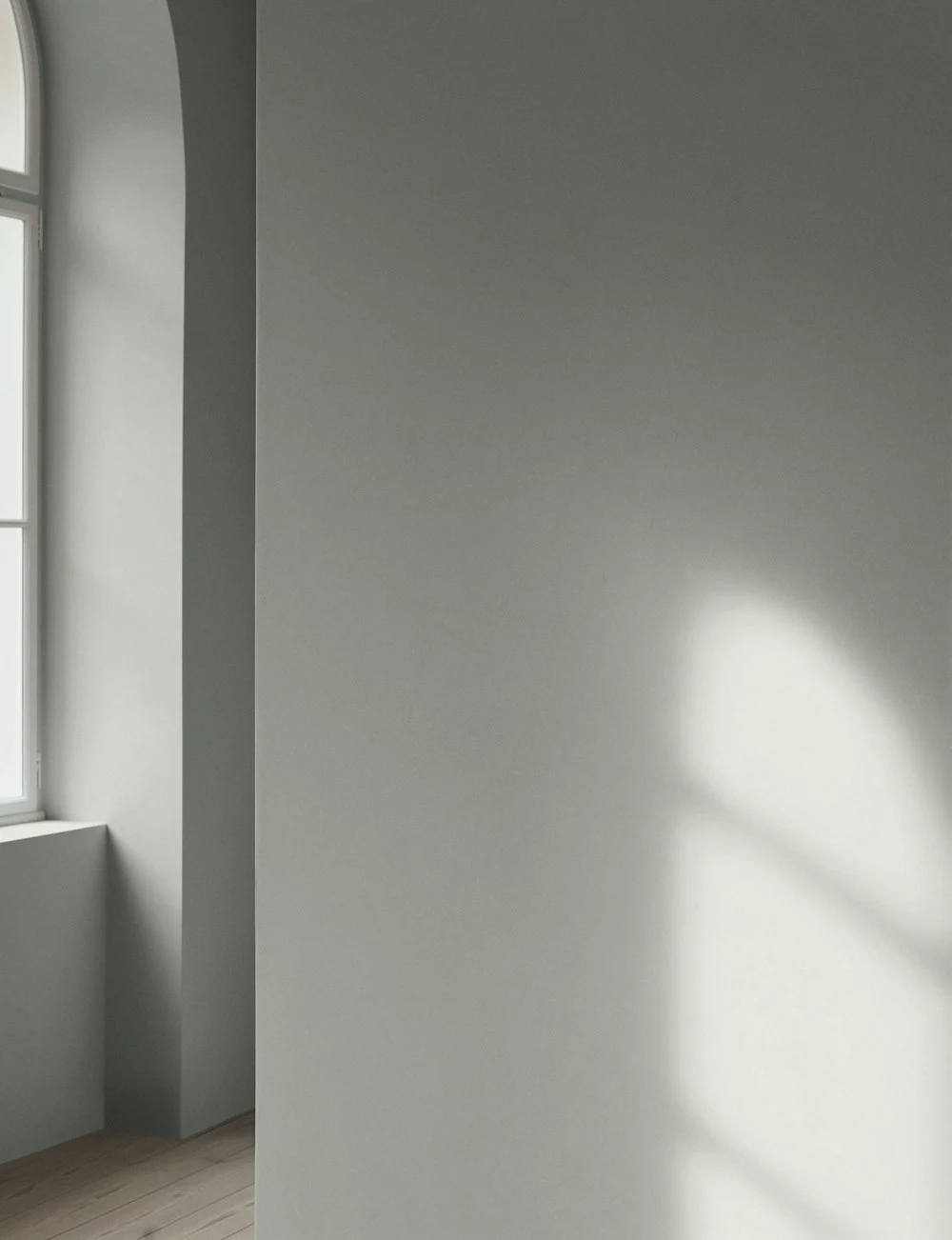
That distinction matters for a paint brand. A technically specified colour is experienced through light, surrounding materials and the display or print it appears on. The Flügger case shows why colour judgement remained a deliberate production task.
What a marketing team should ask to see.
Before commissioning a large series, choose a representative product and agree the review criteria. The following is a practical starting point derived from these cases, rather than a claim that every item has been measured in a new test.
- Product identity. Compare shape, proportions, logos and functional details with the approved reference at the intended viewing size.
- Materials and colour. Agree who approves the finish and which reference will govern it. Include the required display or print context.
- Integration. Review perspective, contact shadows, reflections and scale. Check that the product belongs in the space.
- Consistency across the series. Review several images together. A strong single image does not establish a reliable campaign or catalogue.
- Scope and delivery. Specify formats, crops, retouching, review rounds and the source assets required before comparing production proposals.
Start with the difficult detail.
A useful first brief includes the product reference, intended channels and the feature that must not change. That makes the creative ambition and the acceptance criteria easier to discuss together.
Explore Scenes' production approach, or send us a product and the setting you have in mind. If you are choosing between methods, read AI-generated imagery or a traditional photoshoot?
Scope of this walkthrough. This article draws on the existing Nilfisk and Flügger80 case material and the production stages shown above. It is not a new controlled comparison of AI models. The cases do not disclose a reproducible prompt set, model versions, generation counts or measured production-time, cost or conversion differences. No such benchmark results are claimed here.
Talks, interviews and articles · Discuss what this means for your brand