Getting a product page approved can feel like reaching the finish line. The imagery has been created, the copy refined, the facts checked and the stakeholders consulted. The page goes live, and the team moves on.
Then customers start asking questions the original brief did not anticipate. A different market becomes a priority. Stock availability changes. The next campaign needs another story.
A page can be right for launch and gradually become less useful afterwards. The challenge is making the next change practical enough to happen.
AI search gives every page a bigger responsibility
Google explains that its AI search features retrieve information from individual pages and use it to construct answers. Customers can research and compare products before they reach a brand’s website. Google’s guidance continues to emphasise useful, original content, clear technical structure and relevant images and video. Google Search Central
There is also evidence that AI summaries affect the journey towards a website. In an analysis of 900 US adults’ browsing during March 2025, Pew Research Center found that users clicked a traditional Google result on 8% of visits with an AI summary, compared with 15% without one. Pew Research Center
For me, this strengthens the case for treating every important product page as both a reliable source of information and a complete brand experience. It needs to be useful when its information appears elsewhere, and compelling when someone arrives directly.
In Every Page Must Carry the Brand, I argued that we should prepare for customers who never visit the homepage or read the brand story. The product page itself needs to communicate what the product offers, why it belongs to the brand and why someone should choose it.
The next question is how we keep that page relevant over time.
Agility needs to be prepared
The useful kind of agility allows a business to respond when customer insights or commercial conditions change. It gives those insights somewhere to go.
A survey might reveal that customers need more explanation before deciding. A regional team might need to prioritise available stock. A social campaign might introduce an audience whose interests deserve a different emphasis.
Each situation can justify changes to imagery, messaging, content order and buying actions. Accurate product facts and a recognisable brand should run through every version.
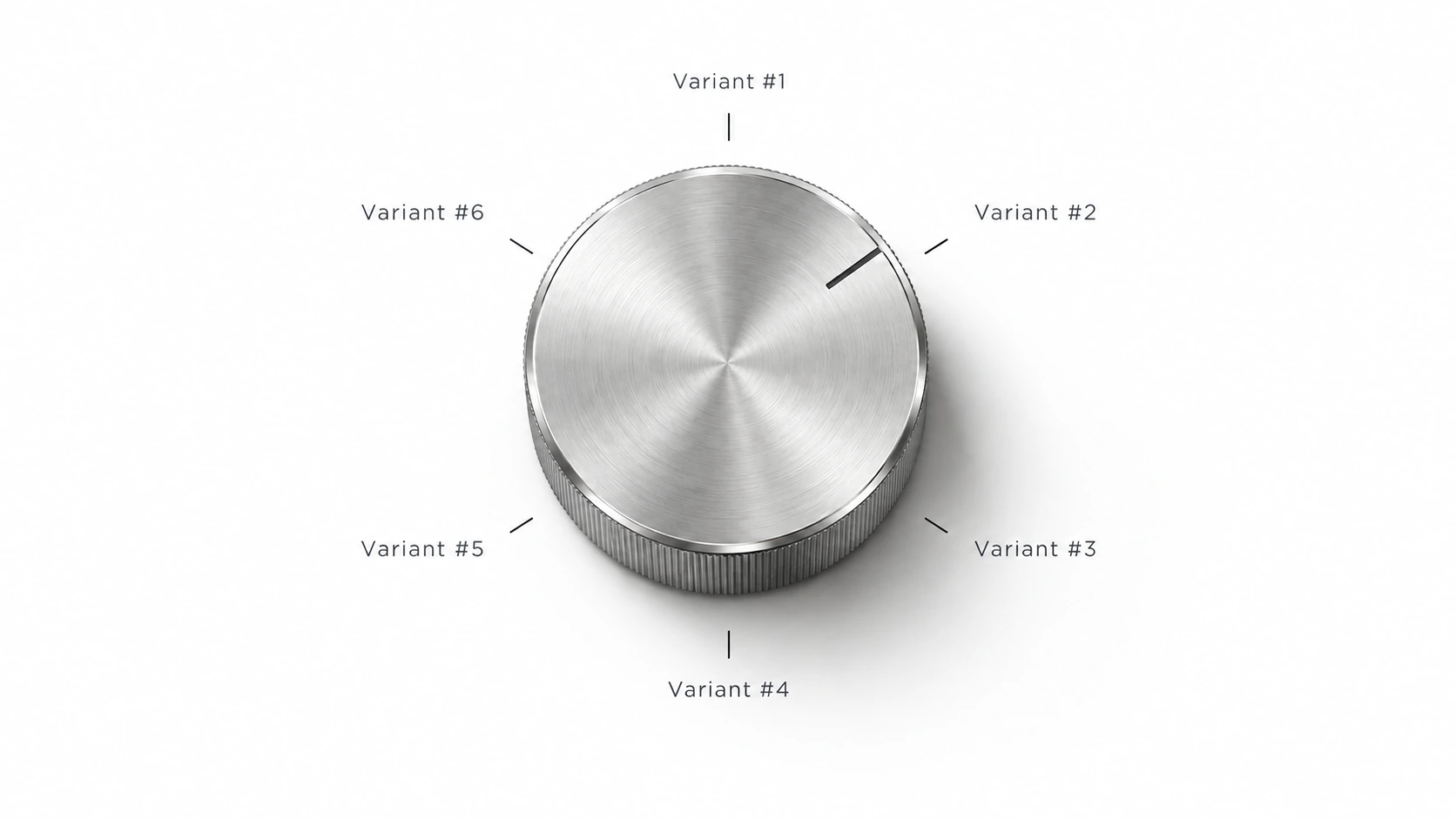
This is the thinking behind Scenes Lab Pulse: prepare several coherent versions of a product page around the situations a business is likely to face, with the creative work and relevant approvals completed before the versions are needed.
The selection starts with product knowledge, commercial plans and customer insights. Early performance data, observations and surveys can then help refine which versions deserve investment.
A set might include:
- Launch: Introduce the product and establish its value.
- Listening: Bring customer questions, feedback and short surveys forward.
- Audience: Focus on the needs of a defined customer group.
- Seasonal: Adapt the story and imagery to a relevant occasion.
- Availability: Prioritise options available in a particular market.
- Promotion: Present an approved offer with matching content and buying actions.
These are settings a business can return to as circumstances change. Each should remain a complete expression of the same brand.
Make the next change manageable
The practical value becomes clear when we consider the people responsible for the page.
Sales, social media and ecommerce teams already manage competing priorities. A useful improvement can sit untouched because implementing it requires another brief, another production budget and another round of reviews.
Preparing versions together brings that work into a coordinated process. Brand, legal and commercial stakeholders can review the relevant material upfront. The team’s everyday decision becomes selecting and activating the version that fits the current need.
Scenes handles the agreed hosting, maintenance and reviews, while customer feedback and performance data continue to inform the page’s development.
The value should be assessed through both commercial results and the work involved: how quickly a relevant version can be activated, how much recurring production and approval work it removes, and whether it supports customer decisions.
Plan the cost beyond launch
Preparing for change also creates an opportunity to budget for it.
Production, prepared versions, hosting, maintenance and planned reviews can be scoped across an agreed period. That makes the total cost of the page and content programme visible from the beginning, alongside what is included and how long it is covered.
The ambition is a product page that remains useful throughout its agreed lifecycle, with a brand experience customers can recognise and a process the business can sustain.
With the content created, the versions built and the approvals in place, changing focus can become as simple as turning the Pulse dial. The team selects the setting that fits its current needs, and activates a complete version that is ready to go.
Talks, interviews and articles · Discuss what this means for your brand